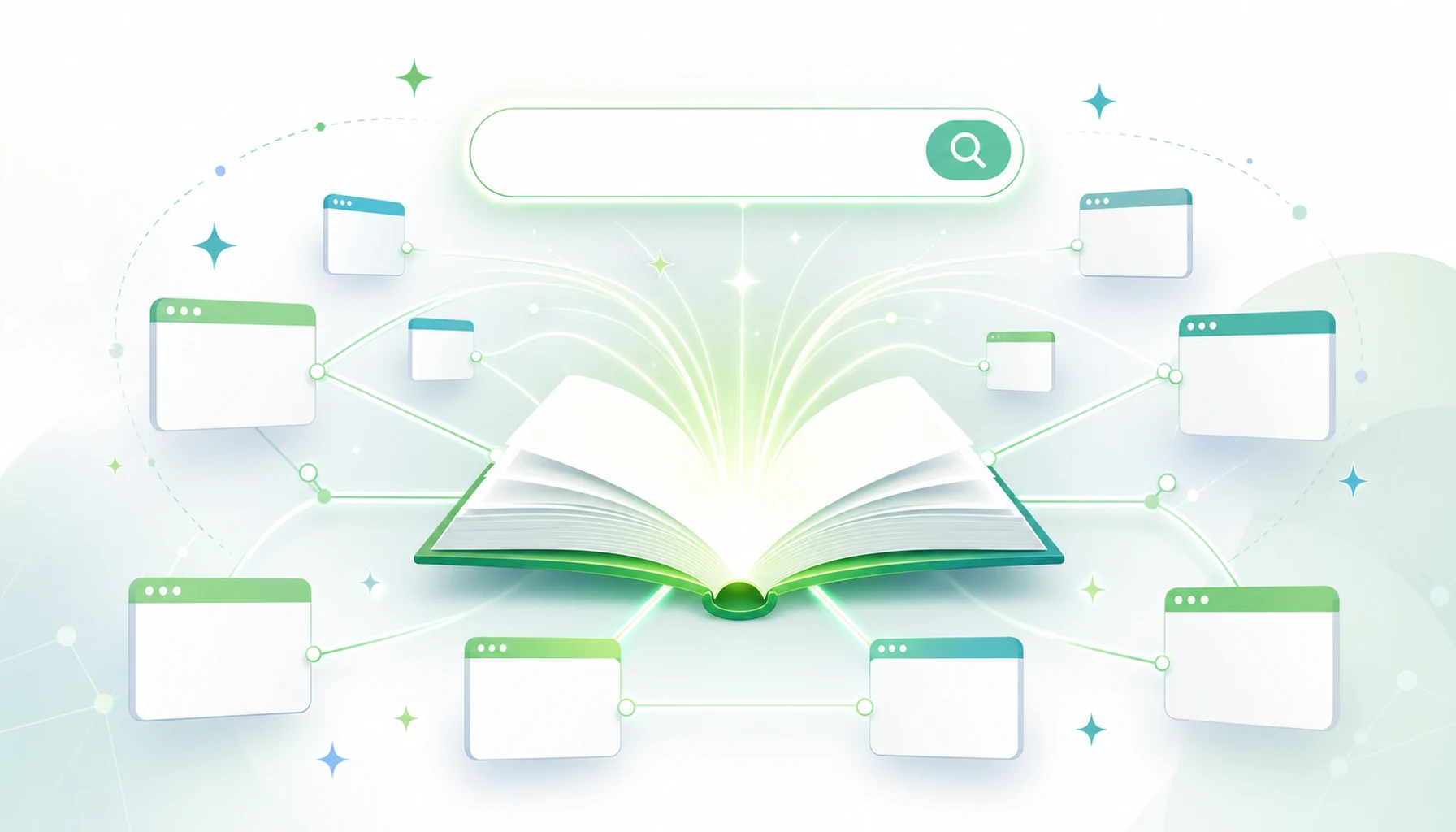
Joe’s Safe Bet Media Plan (the JSB Media Plan) is a complete, do-it-yourself digital marketing framework for small business owners. JSB stands for Joe’s Safe Bet — this is a free playbook written by Joseph Charnin, not a media agency, a company, or a paid service. It is the same integrated plan a good agency used to charge $3,000–$8,000 a month to run — content marketing, email marketing, SEM/paid ads, and WordPress SEO working together as one system. The difference in 2026 is that you no longer need the agency. With AI tools like Claude and Codex handling the heavy lifting, a focused owner can execute all four pillars in a few hours a week. This page is your map; each pillar links to a deeper, step-by-step guide.
Why I Give This Away (and Why I Closed the Agency)
I ran a digital marketing agency for years. The core value we sold was not secret knowledge — it was execution: someone to actually write the posts, build the campaigns, and keep the SEO tidy. AI has quietly erased most of that execution cost. A well-briefed AI model now drafts a blog post, a month of social captions, or a set of ad variations in minutes, and does it competently. That is exactly why I shut the agency down and moved into building SaaS instead. The honest conclusion: the traditional agency retainer is becoming hard to justify for most small businesses.
So the JSB Media Plan is my answer to a question I kept getting: “If I don’t hire an agency, what do I actually do?” This is that plan — the real playbook, free, aimed at empowering you to run it yourself.
What the JSB Media Plan Is
The plan is built on a simple idea: the four pillars of digital marketing reinforce each other, so you should run them as one connected system rather than four disconnected projects. Great content gives your email list something worth sending and your ads something worth landing on. Good WordPress SEO makes that content compound over time. Email turns one-time visitors into repeat customers. Paid ads buy you speed while SEO builds. Run in isolation, each is mediocre. Run together — the “safe bet” — they multiply.
The Four Pillars
1. Content Marketing
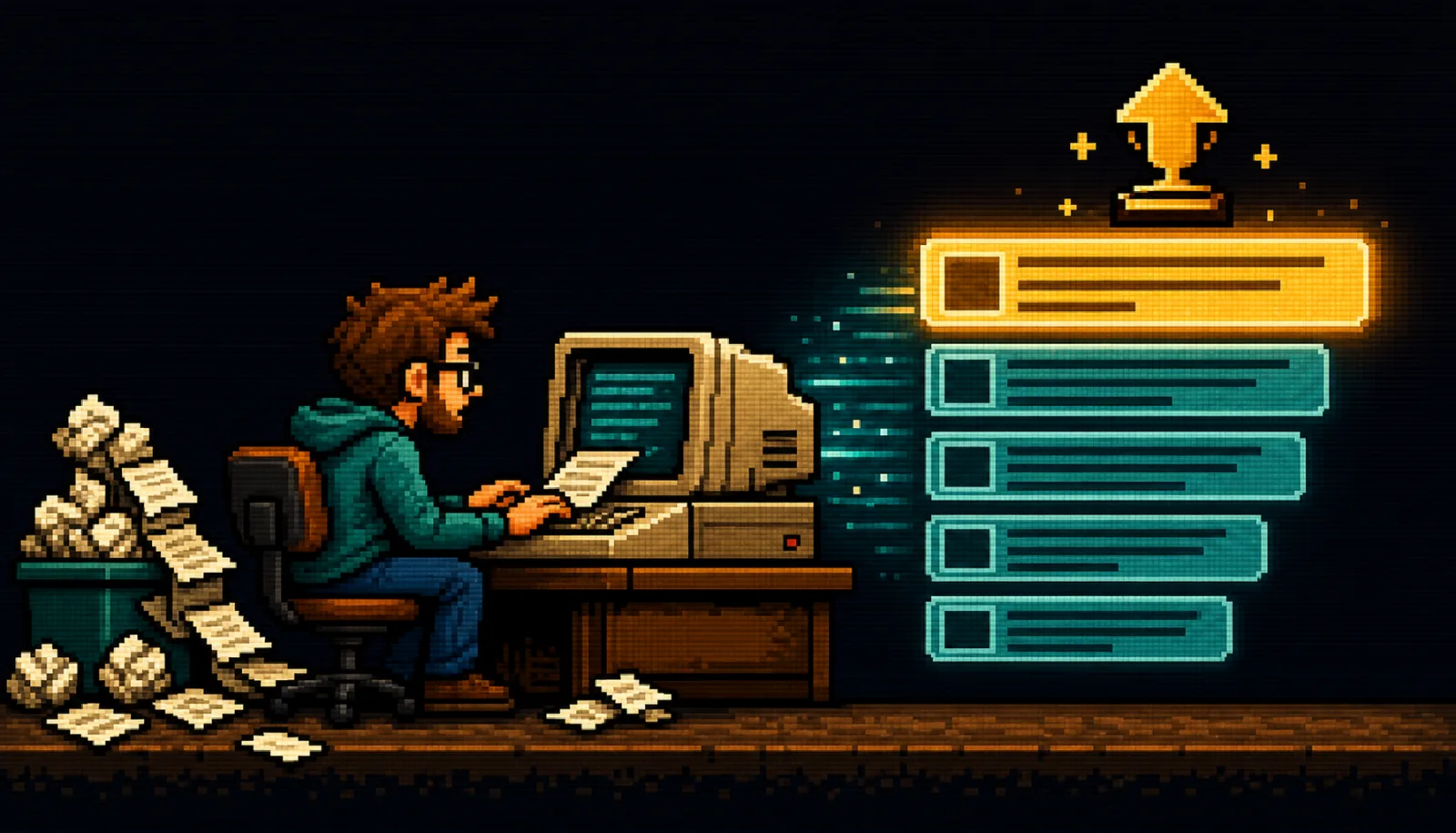
Content is the engine. It is what you rank for, what you send to your list, and what AI assistants cite when someone asks about your industry. In the AI era the winning move is not “publish more” — it is publishing genuinely useful, first-hand expertise that a generic model cannot produce on its own. Use AI to draft and edit fast, then add the real experience, specifics, and opinions only you have. Explore the JSB Media Plan – Content Marketing →
2. Email Marketing
Email is the one channel you own outright — no algorithm sits between you and your customer. It is still the highest-ROI channel in the plan, and AI makes list segmentation, subject-line testing, and automation sequences trivial to set up. If you do nothing else, capture emails and send a useful message on a schedule. Discover the JSB Media Plan – Email Marketing → For a real-world example, see why we switched from MailChimp to YesPo.
3. SEM, Paid Ads & Google Ads
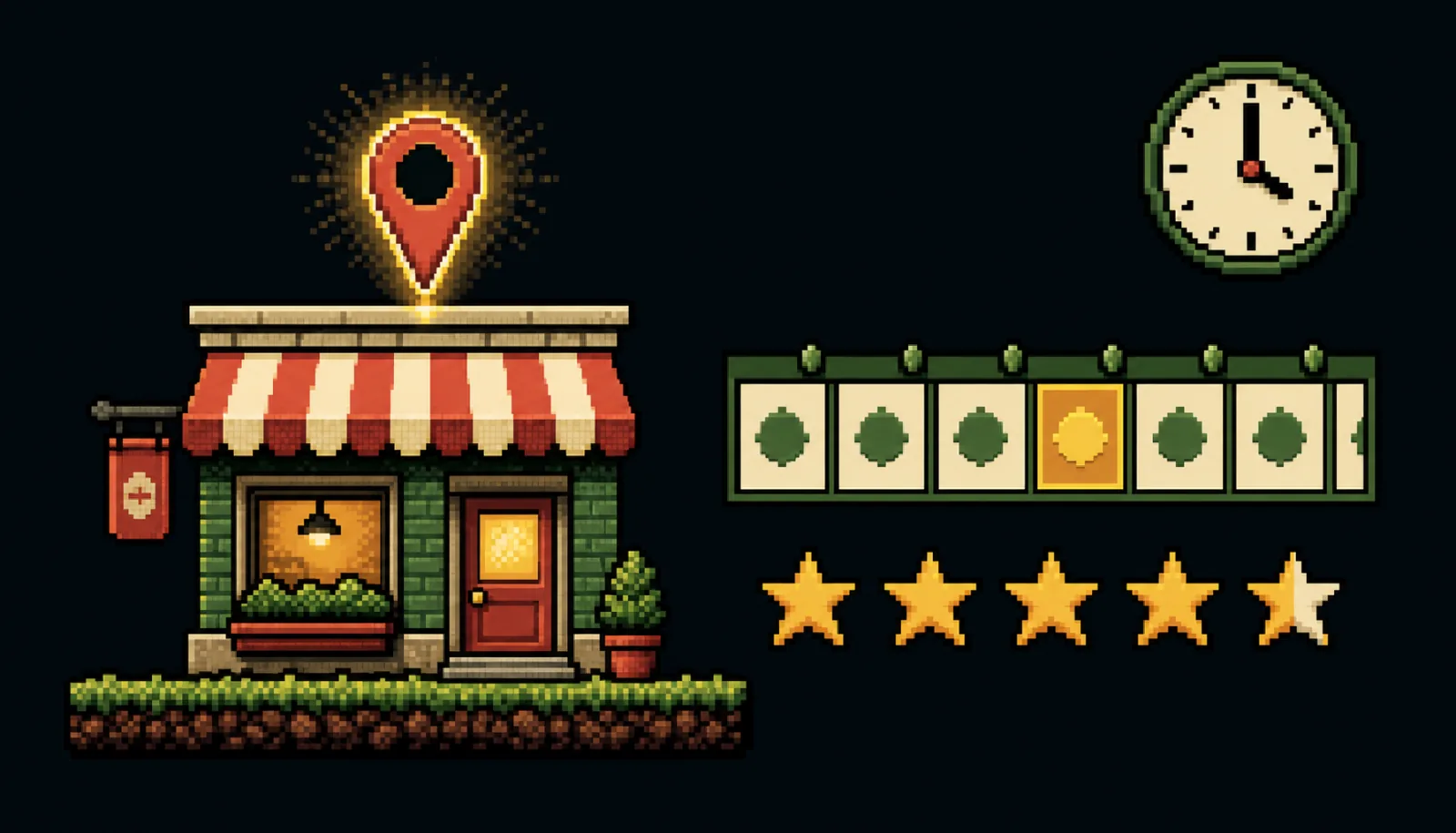
Paid search is how you buy visibility today while your organic SEO compounds over months. It is also the fastest way to learn which keywords and offers actually convert — data you then feed back into your content and SEO. AI now handles keyword research, ad copy variations, and bid strategy suggestions, but you still set the strategy and the budget guardrails. Optimize your SEM strategy with the JSB Media Plan – SEM/Paid Ads/Google Ads →
4. WordPress SEO
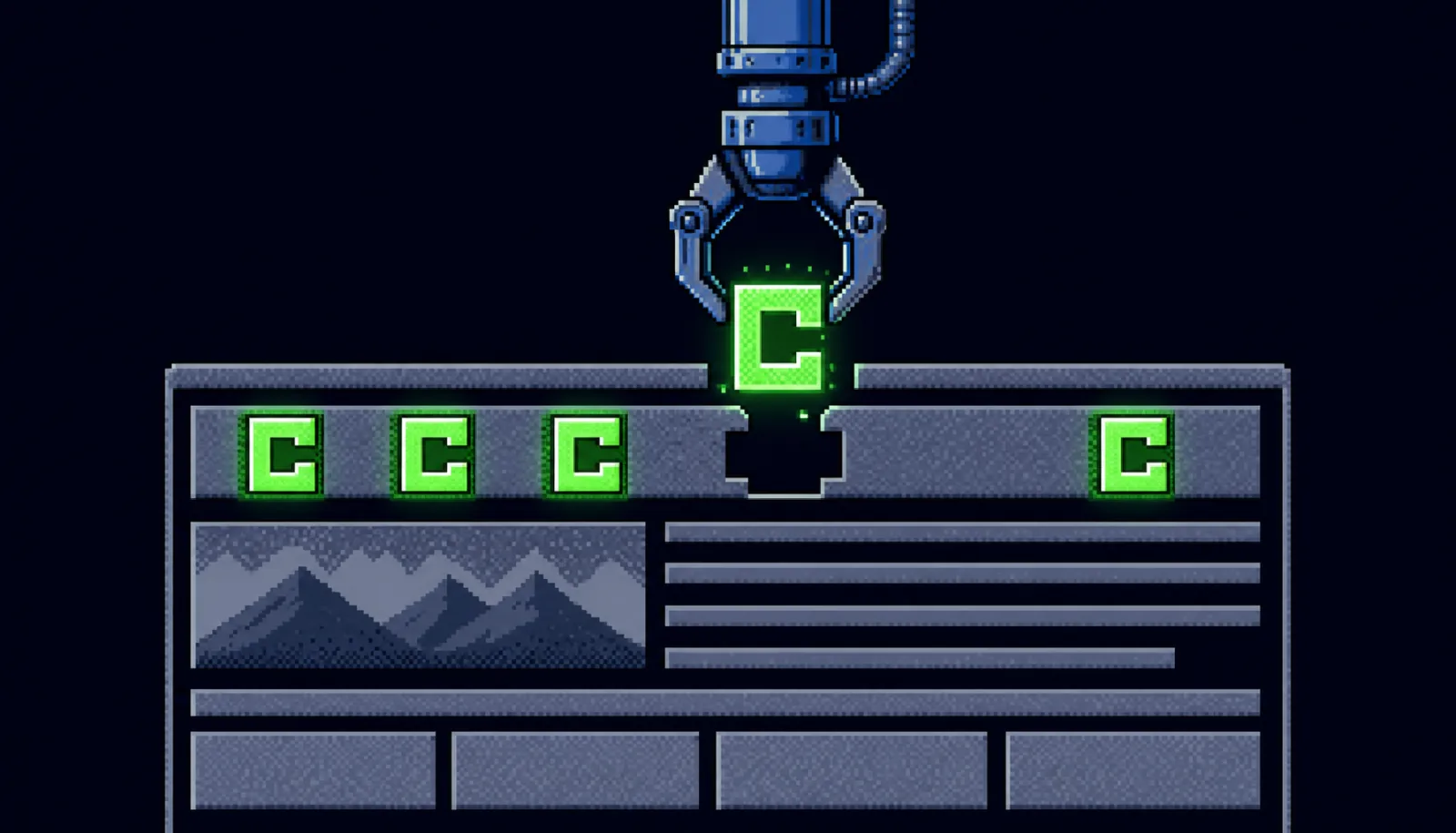
Most small business sites run on WordPress, and WordPress SEO is where the JSB Media Plan turns content into durable, free traffic. On-page optimization, technical health, and a clear site structure are what let your content rank — and, increasingly, what let AI Overviews and assistants understand and recommend your business. Optimize your WordPress site with the JSB Media Plan for WordPress SEO →
How to Run the JSB Media Plan With AI (Weekly Rhythm)
You do not need to do everything at once. Here is a realistic weekly cadence that keeps all four pillars moving in a few focused hours:
- Monday — Content (90 min): Pick one question your customers actually ask. Brief an AI model with your real answer, your examples, and your point of view; have it draft the post; then edit in the specifics only you know. Publish to your WordPress blog.
- Tuesday — WordPress SEO (30 min): Optimize the new post — title tag, meta description, internal links to related posts, and one image with real alt text. Check Google Search Console for anything slipping.
- Wednesday — Email (30 min): Turn the week’s post into a short, useful email to your list. AI can adapt the tone in seconds; you add the personal note.
- Thursday — Paid Ads (30 min): Review your one running campaign. Cut the worst-performing ad, let AI draft two fresh variations of the best one, and reallocate budget toward what converts.
- Friday — Measure (30 min): Look at what moved. Double down next week on the pillar showing traction. That is the whole method.
The AI-Era Rules That Actually Move Rankings
The tactics have shifted in 2026, and chasing the old playbook wastes time. A few things that genuinely matter now, backed by recent developments I cover on the blog:
- Teach AI who your business is. Entity clarity — consistent name, expertise, and structured data — is now a core ranking priority. See Google’s LLM patent and the new SEO priority and Google’s first official AI search optimization guide.
- Write for people, not for tricks. Google’s June 2026 spam update and its spam policies now covering AI Overviews and AI Mode keep punishing thin, manipulative content — including lazy AI output published without human value added.
- Skip the shortcuts that don’t work. For example, Google confirmed that llms.txt files won’t help your rankings. Don’t pay for “AI optimization” snake oil — reinvest that money in real content.
- Recover deliberately after core updates. If traffic dropped, follow a structured plan rather than panicking — see the May 2026 core update recovery plan.
Who This Is For
The JSB Media Plan is written for the owner-operator: the founder, the local business owner, the solo SaaS builder who wants to market like a pro without hiring one. You do not need a marketing degree or a big budget — you need a system, a few good AI tools, and a couple of focused hours a week. Start with whichever pillar is your biggest gap, and let the others follow.
Ready to dig in? Begin with Content Marketing — it feeds every other pillar — or jump straight to the one you need most. The whole plan is here, it is free, and it is designed to make an old-school agency retainer unnecessary.
Explore the JSB Media Plan

JSB Media Plan – Content Marketing
The JSB Media Plan for Content Marketing covers content strategy, creation, audience understanding, storytelling, and distribution that drives…

JSB Media Plan – Email Marketing
The JSB Email Marketing Plan: expert guidance on email optimization, list segmentation, compelling content, automation, conversion enhancement, and…

JSB Media Plan – SEM/Paid Ads/Google Ads
The JSB Media Plan for SEM/Paid Ads/Google Ads: keyword research, ad copywriting, campaign structure, bid management, Quality Score, and conversion…
JSB Media Plan for WordPress SEO
The JSB Media Plan for WordPress SEO: on-page and technical SEO, keyword research, content strategy, link building, and essential WordPress SEO…
Frequently Asked Questions
What is the JSB Media Plan?
The JSB Media Plan (Joe’s Safe Bet Media Plan) is a free, do-it-yourself digital marketing framework for small business owners. It combines four pillars — content marketing, email marketing, SEM/paid ads, and WordPress SEO — into one connected system you can run yourself, without hiring an agency.
Is the JSB Media Plan really free?
Yes. Every pillar guide and every strategy is published here at no cost. It is the same integrated plan a marketing agency used to charge thousands of dollars a month to run, written so an owner can execute it independently.
Do I still need a marketing agency in 2026?
For most small businesses, no. The main thing agencies sold was execution — writing posts, building campaigns, managing SEO — and AI tools now handle that work in minutes. A focused owner with the right system can run professional marketing in a few hours a week.
Can AI really run my small business marketing?
AI can do the heavy lifting: drafting content, generating ad variations, segmenting email lists, and suggesting keywords. But it works best when you supply the strategy, real first-hand expertise, and final judgment. The winning approach is AI for speed plus your genuine experience for value.
Which pillar should I start with?
Start with your biggest gap. If you have no traffic, begin with content marketing and WordPress SEO. If you have traffic but few sales, start with email marketing. If you need customers immediately, run a small paid-ads campaign while the others build.
How much time does the JSB Media Plan take each week?
A realistic rhythm is three to four focused hours a week: content on Monday, WordPress SEO on Tuesday, email on Wednesday, paid ads on Thursday, and measurement on Friday. Consistency matters far more than volume.
What does “Joe’s Safe Bet” mean?
The four pillars reinforce each other, so running them together is the safe bet — content feeds email and SEO, paid ads buy speed while SEO compounds, and email turns visitors into repeat customers. Run in isolation each is mediocre; run together they multiply.